

“I believe firmly and profoundly that whoever listens to a witness becomes a witness, so those who hear us, those who read us must continue to bear witness for us.” - Elie Wiesel
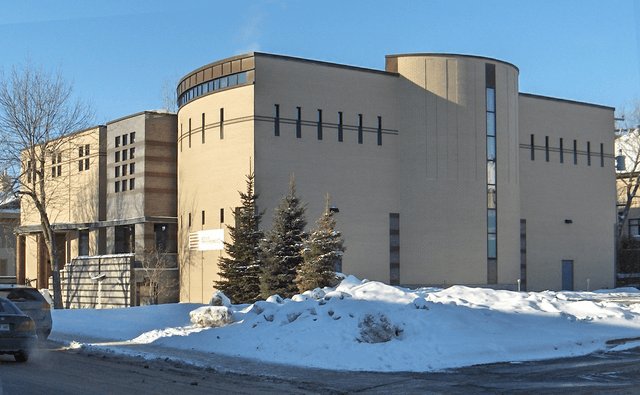
On January 25, 2026, hundreds of Montrealers accepted this responsibility to bear witness by attending a screening of Elie Wiesel: Soul on Fire at the Montreal Holocaust Museum. Despite the snow, the event drew a full house. As attendees settled into their seats, many expressed pleasant surprise at the size of the crowd — a testament to the enduring power of Wiesel's voice and legacy.
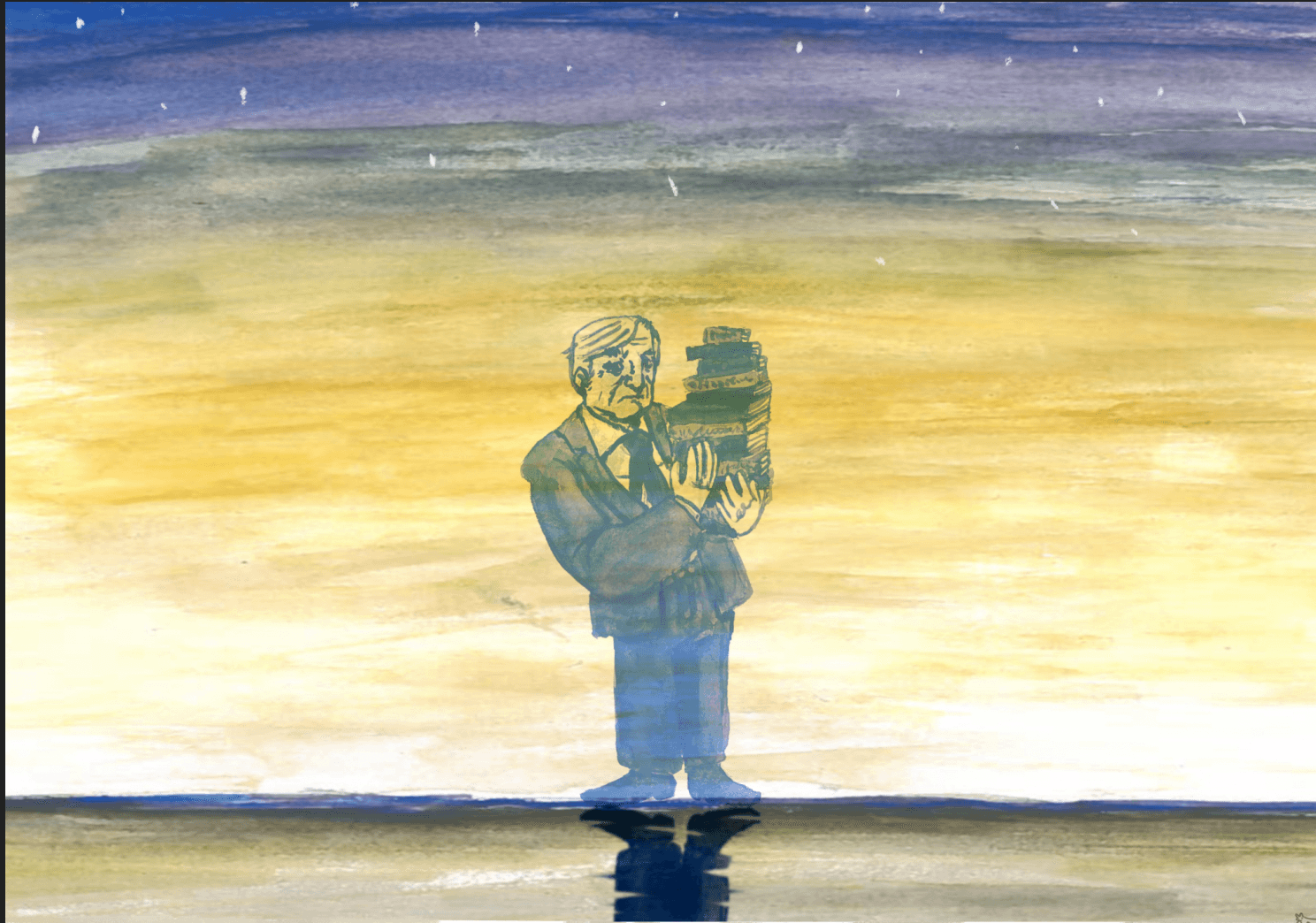
The documentary traces Wiesel’s life through beautifully hand-painted animation, archival and family footage, interviews, and first-person narration. Deeply moving, the film explores themes of memory, legacy, and resilience in the face of unimaginable trauma.
In May of 1944, at just fifteen years old, Elie Wiesel, along with the entire Jewish population of Sighet, Romania, was deported to Auschwitz. His mother and younger sister were murdered upon arrival; his father later died in Buchenwald. After the camp’s liberation in 1945, Wiesel was brought to France by the Oeuvre de Secours aux Enfants, where he reunited with his two older sisters, the only other survivors in his family. Wiesel went on to become a writer, professor, human rights advocate, and Nobel Peace Prize laureate. He transformed his pain into a lifelong commitment to justice and remembrance, determined that the horrors of the Holocaust never be forgotten.
For Wiesel, silence was never an option. “Why do I write? What else could I do? I write to bear witness,” he once said. By sharing his experiences and encouraging other survivors to do the same, he honoured the memory of those who were murdered and compelled the world to confront the devastating consequences of indifference to human suffering.
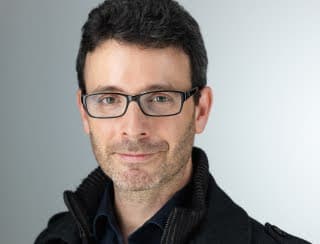
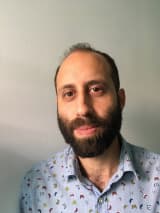
Bearing witness, as Wiesel understood it, is not passive; it carries an obligation to act, to prevent history from repeating itself. Throughout his life, Wiesel advocated tirelessly for human rights, refusing to remain silent in the face of injustice anywhere in the world. His activism extended beyond, though never excluded, the Jewish people. This commitment was reflected in a post-screening conversation between Elisha Wiesel, Elie Wiesel's son and Chairman of the Board of the Elie Wiesel Foundation, and interviewer Tarah Schwartz. Elisha explained that his father never saw a contradiction between fighting for Jewish causes and fighting for universal ones. “It wasn’t an either-or; it was both,” he said, adding that his father wanted to be remembered as a good Jew — meaning, to him, “to be an ambassador to mankind.”
Simultaneously, the film avoids universalizing the Holocaust. Instead, it firmly centres Jewish pain, survival, and resilience. Throughout the film, the continuity of Jewish life and joy is emphasized, encouraging audiences to bear witness not only to the atrocities of the Holocaust, but also to the remarkable strength and endurance of the Jewish people.
The film devotes significant attention to Wiesel’s religious journey as an example of Jewish continuity: from a boy who dreamed of becoming a teacher of the Talmud, to a teenager whose faith in God was shaken by the Holocaust, and finally to a man who returned to Judaism when his son was born. It mattered deeply to him that his son be proud to be Jewish. In a letter written in 1991 and discovered only after his death in 2016, Wiesel urged Elisha to remember three things: “Remember my father for whom you are named. Remember that you are a Jew. Remember that there is a God.”
In her introduction to the screening, Rachel Kruger Gropper, Holocaust survivor and co-president of the Montreal Holocaust Museum, shared that she has always felt a deep personal connection to Elie Wiesel. “Our experiences were not the same,” she said, “but his journey illuminated my path and the path of many of us here this evening.” Elie Wiesel: Soul on Fire carries that illumination forward, offering Wiesel’s unwavering commitment to preserving memory, moral courage, and speaking truth to power as a guiding light for navigating our present reality.
Powered by Froala Editor