

Almost 50 days have passed since Yom Kippur. For the Ethiopian Jewish community, also known as Beta Israel, this means Sigd is just around the corner. Largely isolated from the rest of world Jewry, anEthiopian Jewish community has existed for at least 1500 years. Sigd evolved as a unifying force in the face of Christian persecution, according to one prominent theory, while a more controversial theory, championed by Ethiopian-Israeli Rabbi Sharon Shalom, posits that Sigd was once known to all Jews, forgotten by all but Beta Israel.
I spoke to Batia Eyob-Serrette and Yaffa Tegegne, two active members of the Beta Israel community to learn more about the holiday. Eyob-Serrette's career focuses on advancing social equity, cultural inclusion, and leadership for the Ethiopian-Israeli community, primarily in New York and Israel. Tegegne does similar advocacy work in Montreal, representing Ethiopian Jews and the broader Canadian Jewish community. She is the daughter of Baruch Tegegne, an activist instrumental in organizing the Ethiopian aliyah to Israel.
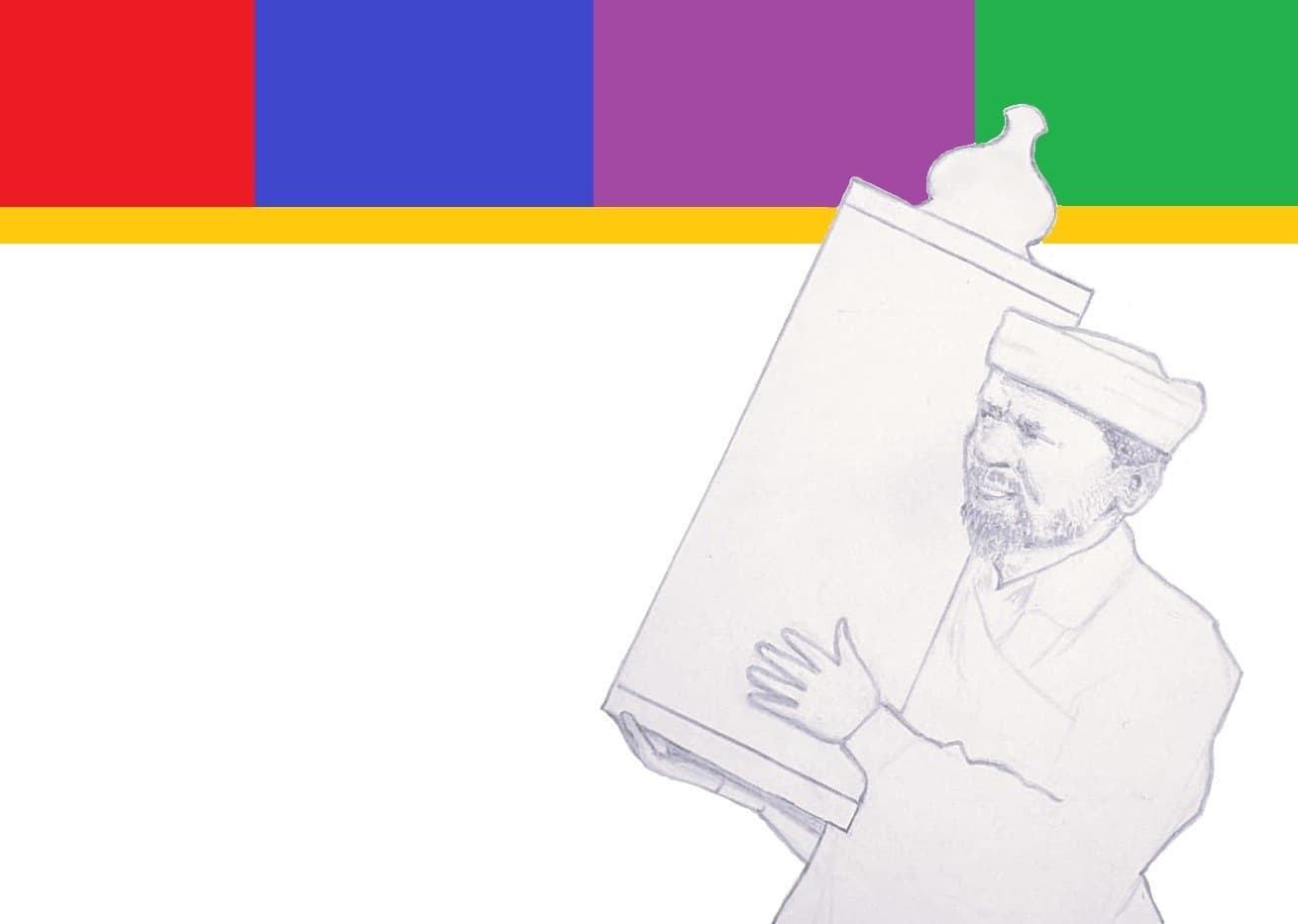
Sigd means “prostration” in Ge’ez, the liturgical language used in Ethiopian Jewish prayer and today spoken by Ethiopia’s other main religious communities. “Sigd is an affirmation of the tribe’s commitment to Torah and to God,” said Tegegne. The community affirms their commitment by repenting and yearning for a return to Jerusalem and the rebuilding of the Temple. In Ethiopia, Jews would gather in the area’s most spiritually significant village and begin to fast. The next morning, they would ascend a nearby mountain, reenacting Moses going up to Mount Sinai to receive the Torah. Then, facing Jerusalem, the Kesim (religious and community leaders) read passages from the Orit, the Ethiopian Jewish Torah, written in Ge’ez. After returning to the village, the fast is broken with dabo, a sweet and fluffy spiced Ethiopian bread, followed by a large feast, dancing, and rejoicing.
The holiday also maintained communal bonds in Ethiopia, bringing Ethiopian Jews together in times of persecution and peace. “Sigd helped preserve Jewish identity where they were a minority,” Eyob-Serrette said. Holiday gatherings connected relatives and allowed for matchmaking, ensuring the continuation of the community.
When Ethiopian Jews first came to Israel, Sigd seemed less central within the social and spiritual context of the Holy Land. Tegegne shared that after her family completed their arduous journey to Israel in 1956, Sigd felt “disrupted,” as they had fulfilled their spiritual yearning to return to Zion. Among the first Ethiopian Jewish families to make aliyah, Tegegne’s family prayed for those in Ethiopia to join them in Israel.
The first official Sigd gathering in Israel in 1982, led by Eyob-Serrette’s great-uncle, was attended by important religious figures and the president of Israel, which “gave it some sense of legitimacy” according to Eyob-Serrette. Despite Beta Israel’s official recognition under Jewish Law in 1973, Sigd was not established as a national holiday until 2008.
The government’s official recognition of the holiday enables Ethiopian-Israelis to celebrate Sigd proudly. Sheltered from the Sun beneath a canopy of colourful umbrellas, dressed in traditional Ethiopian attire, thousands of community members gather on the Armon HaNatziv promenade overlooking the Temple Mount to hear the Kesim recite from the Orit. The attendees walk to the Old City and finish their prayers at the Kotel before concluding the day's festivities in Mahane Yehuda with a party.
Montreal, which boasts an Ethiopian community of considerable size by diasporic standards, also has Sigd woven into its cultural fabric. In 2019, an alliance of African and Jewish organizations held an event at the Segal Centre where the colours, sounds, and tastes of Sigd were shared with a diverse audience. In recent years, Hillel Montreal has hosted multiple Sigd celebrations where Jewish university students experienced and learned about the holiday. For Eyob-Serrette, “the hope is that Sigd is not something that belongs only to Ethiopian Jewish heritage but something we can all benefit from.” Although there are no public Sigd events planned for this year, there are sure to be more in future years.
This year, Sigd begins on the evening of November 19th and ends the evening of the 20th. Melkam Ye’sigd Bahal! Have a blessed Sigd!
Powered by Froala Editor