

Goldie Morgentaler, the daughter of celebrated author and Holocaust survivor Chava Rosenfarb, found a career in translation. After returning to Montreal to work on her dissertation in the McGill English department, Goldie spent her professional career as a professor of English at the University of Lethbridge in Alberta. Two years ago, upon retirement, Goldie became a full time translator. When she was a graduate student, her mother said Goldie could live with her in Montreal on one condition—she would help translate her novel about Łódź Ghetto, The Tree of Life. From there, Morgentaler discovered her talent as a translator, eventually becoming a leading figure in modern Yiddish literary translation.
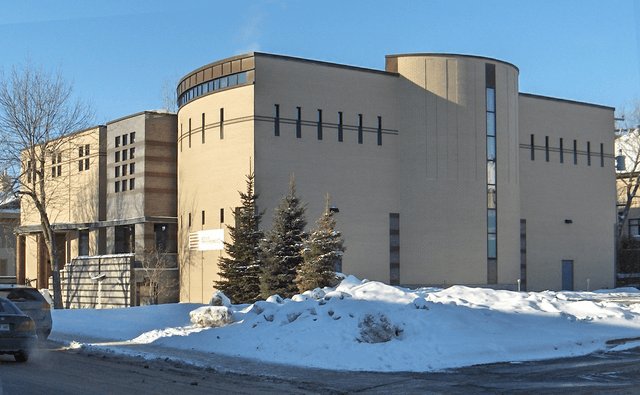
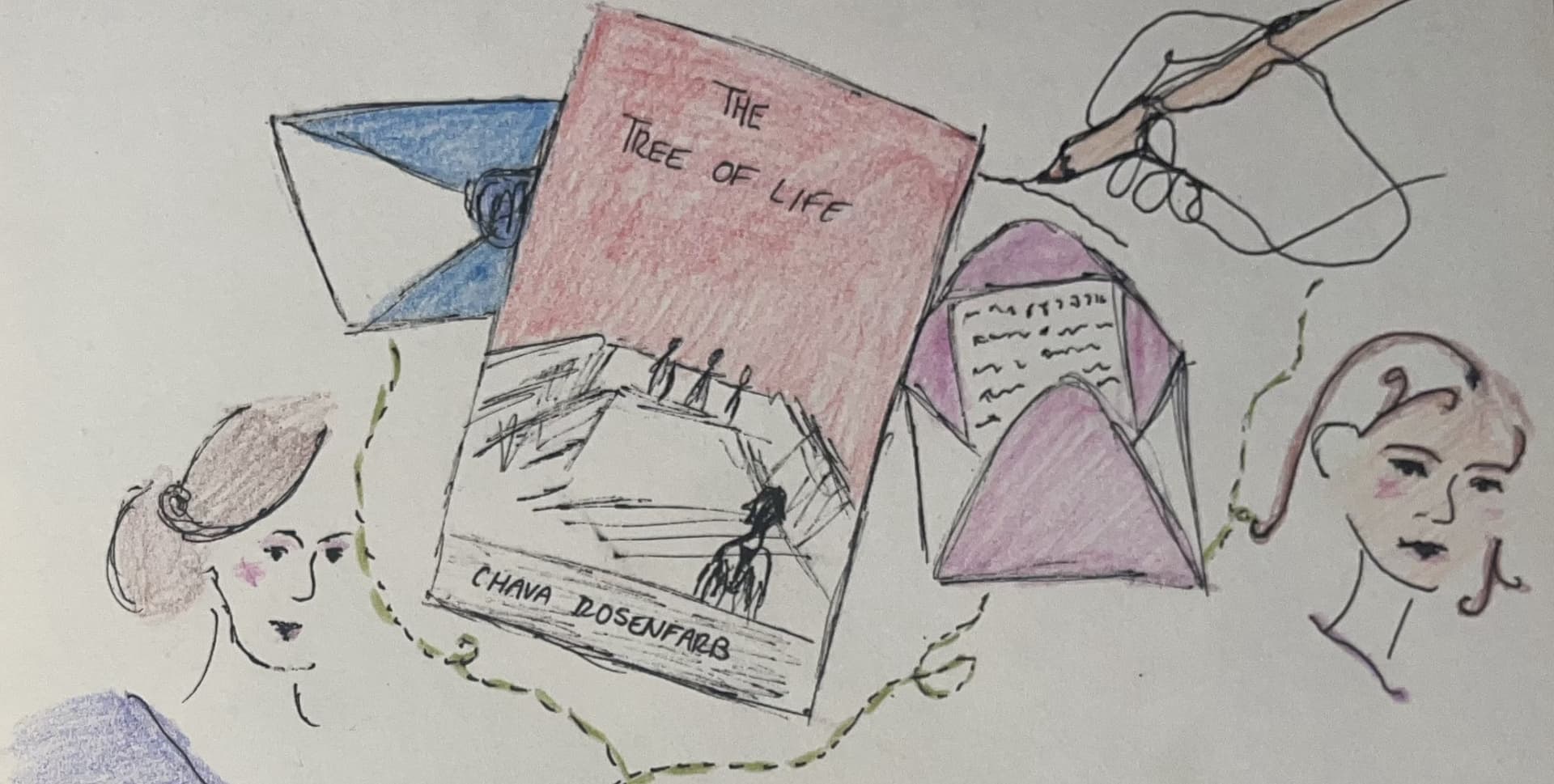
In an interview with Nu Magazine, Morgentaler reflected on her recent book talk at the Montreal Holocaust Museum. The talk discussed Letters From the Afterlife, a collection of correspondence between her mother and her mother’s friend, Zenia Larsson, as they navigated life as Holocaust survivors in different parts of the world.
What was the significance of this book talk for you? Both academically and personally, why do you think that it’s significant to revisit and share this correspondence?
As far as I know, there's been very little written about the lives of Holocaust survivors after the war. A lot has been written about the Holocaust, but far fewer about how survivors rebuilt their lives afterward in terms of displacement and finding a new home in those first few years.
It’s also fascinating from a literary point of view. Both women became writers of trilogies about the Holocaust, and it was interesting to see as a literary scholar why they chose fiction rather than memoir. The main significance is that these were women. When people think of Holocaust writers, they tend to name men such as Elie Wiesel and Primo Levi. There is little mention of women survivors who wrote prose about the Holocaust.
What do the letters reveal about the lives of women who survived the Holocaust?
There are concerns for women that don’t come up for men, such as marriage, having a child, the entire process of motherhood, and the implications of this in relation to financial insecurity. My mother worried when she was pregnant, as they struggled financially after the Holocaust. Zenia, meanwhile, fell in love with a non-Jewish Swede while after settling in Sweden post-war, and feared that this would be seen as a betrayal of the Jews who had died in the Holocaust. She sought reassurance from my mother that it was not a sin.
As Chava eventually settled in Canada, can you speak about how Canada, and particularly Montreal, acted as a new home for many holocaust survivors?
I think it’s very important that most of the Holocaust survivors who moved to Canada settled in Montreal specifically. Part of that was because there was already a strong Jewish, Yiddish-speaking community. As far as I know, a majority of survivors were comfortable with Yiddish, and in Montreal, a Yiddish school system was already established.
What do you hope readers of Letters from the Afterlife take away about topics such as resilience and memory?
I want people to know my mother as a writer. Because she wrote in Yiddish, it’s been difficult for her work to reach wider audiences. Zenia, on the other hand, wrote her novels in Swedish. While she became well known in the 60s and 70s, teaching many Swedes about the Holocaust for the first time, by the time I began working on their correspondence, her work was mostly forgotten. I wanted attention to be paid to my mother and to Zenia. This is a book about the ups and downs of friendship carried on by two women authors in letters, an unusual part of Holocaust history. I want people to know their story. Resilience is important. Holocaust survivors especially needed to connect with others who had gone through similar things, or else it was terribly lonely. The friendship of those who endured such tragedy and endurance together is something to be understood.
Through her translations, Goldie Morgentaler helped preserve and extend her mother’s legacy. Letters From the Afterlife is more than a historical record; it touches on the depths of female friendship amid hardships and transitions, emphasizing the strength, resilience, and experiences of female Holocaust survivors through the progression of time.
*Answers were edited for clarity
Powered by Froala Editor