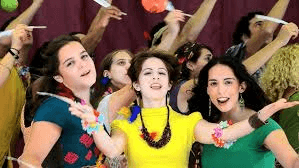


An encounter with a Jewish mother is practically a universal experience: the strong matriarch who piles three-too-many servings of kugel onto your plate, and worries about you staying warm and romantic prospects in equal measure. She insists firmly, with love, that you can benefit from her wisdom—which she freely imparts, urging you towards success. Her presence is comforting, familiar, and deeply tied to Jewish family life.
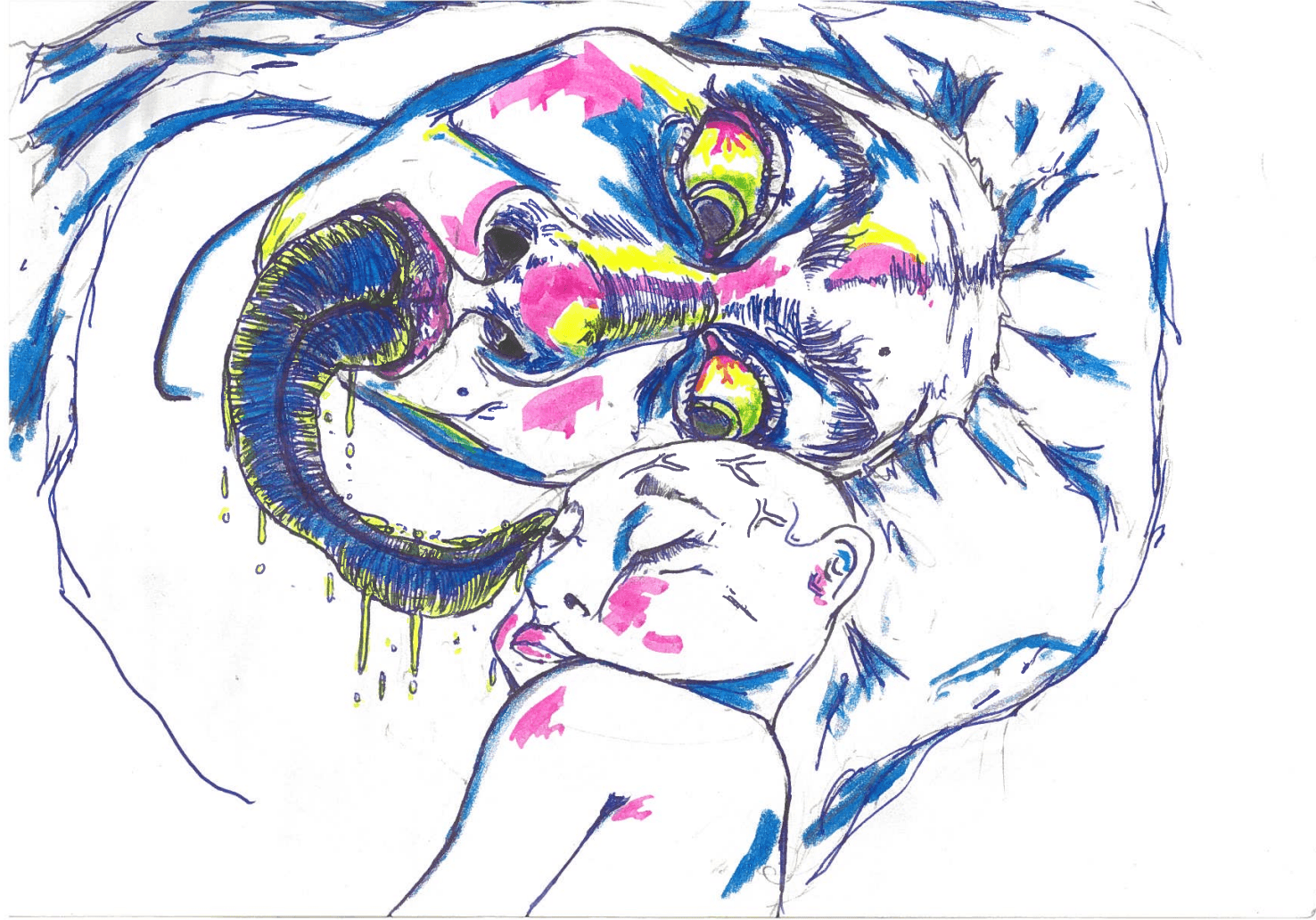
But this same figure has been caricatured into a derogatory image: the overbearing, overly anxious, guilt-inducing mother perpetuated throughout modern pop culture. How did the image of resilience and care become the stereotypical negative portrayal?
The archetype of the Jewish mother's original form is seen in the “Yiddishe Momme”. Emerging from the depths of the pre-Holocaust Eastern European shtetls, she was portrayed as an entrepreneurial moral force, recognized for hard work and determination as the unbreakable backbone of the family. Amidst the widespread worry and ambivalence about Jewish acculturation in America in the 20th century, the Jewish mother became an anxious figure and a scapegoat for the pains of cultural uncertainty. By the mid-20th century, the Yiddishe Momme was no longer a purehearted matriarch, but an aloof, obsessive, and nervous character.
This stereotyped Jewish mother can be seen in a plethora of identifiable characters across pop culture. In the recent Netflix series Nobody Wants This, the loud pushy Jewish mother trope is in full swing with the protagonist’s mother, who devotes much of her life energy to her son’s romantic life. Preceding this modern rendition, she appears in a slew of films, including Beverly Goldberg on The Goldbergs, who is a prime manifestation of the overbearing, child-centric mother. Even in the comedic realm, this image persists, as in Curb Your Enthusiasm, where Susie Greene is a bossy, short-tempered mother, whose over-exaggerated antics are a catalyst for laughs.
The portrayal of this Jewish mother is highly Ashkenormative, speaking to a broader trend in Western culture. All the Jewish mothers in the aforementioned films are Ashkenazi, yet it would be amiss not to also acknowledge the Sephardic Jewish matriarch. While not portrayed nearly as frequently in Western culture, Sephardic mothers have their own role in the social matrix.
Unsurprisingly, the Sephardic Jewish mother is also recognized for her domestic role—as a mother, cook, and caretaker. The Persian mother, a product of broader Iranian society, is typecasted as “Sara Khanom” (Lady Sara), referencing the biblical matriarch Sarah and signifying a nurturing and caretaking woman. Although there is a warm universality in Jewish motherhood, the Sephardic Jewish mother has different roots than the Yiddishe Momme. Moreover, because her portrayal is much less prevalent in western media, she is not subjected to the broader stereotype to the same extent.
While the archetype of the Ashkenazi Jewish mother can at times seem playful and harmless, it carries significant misogynistic undertones. Depicting Jewish mothers as intrusive and erratic implicates Jewish women by encouraging their actions to be undermined and unfairly judged. The caricature of the Jewish mother fundamentally reinforces a link between women and their portrayal as ‘crazy’, hysterical, and out of touch. Even in the 21st century, with the infinite hats women wear, the media still has difficulty recognizing them beyond confined clichés.
Jewish mothers are the backbone of the Jewish people. To recognize Jewish peoplehood is to understand the multifaceted roles of Jewish mothers and all they provide—all their love, hard work, and thoughtful opinions. Their fearless balancing act of pursuing high-strung careers, childbearing, homemaking, and carrying the emotional labor is a testament to their persistence, strength, and tenacity.
Powered by Froala Editor